The global industrial landscape is undergoing a structural shift. As supply chains diversify and markets look for resilient, high-capacity production hubs, India has established itself as a cornerstone of modern manufacturing. Policy, technology, and a widening economic footprint are pushing the industrial sector into a period of rapid growth.
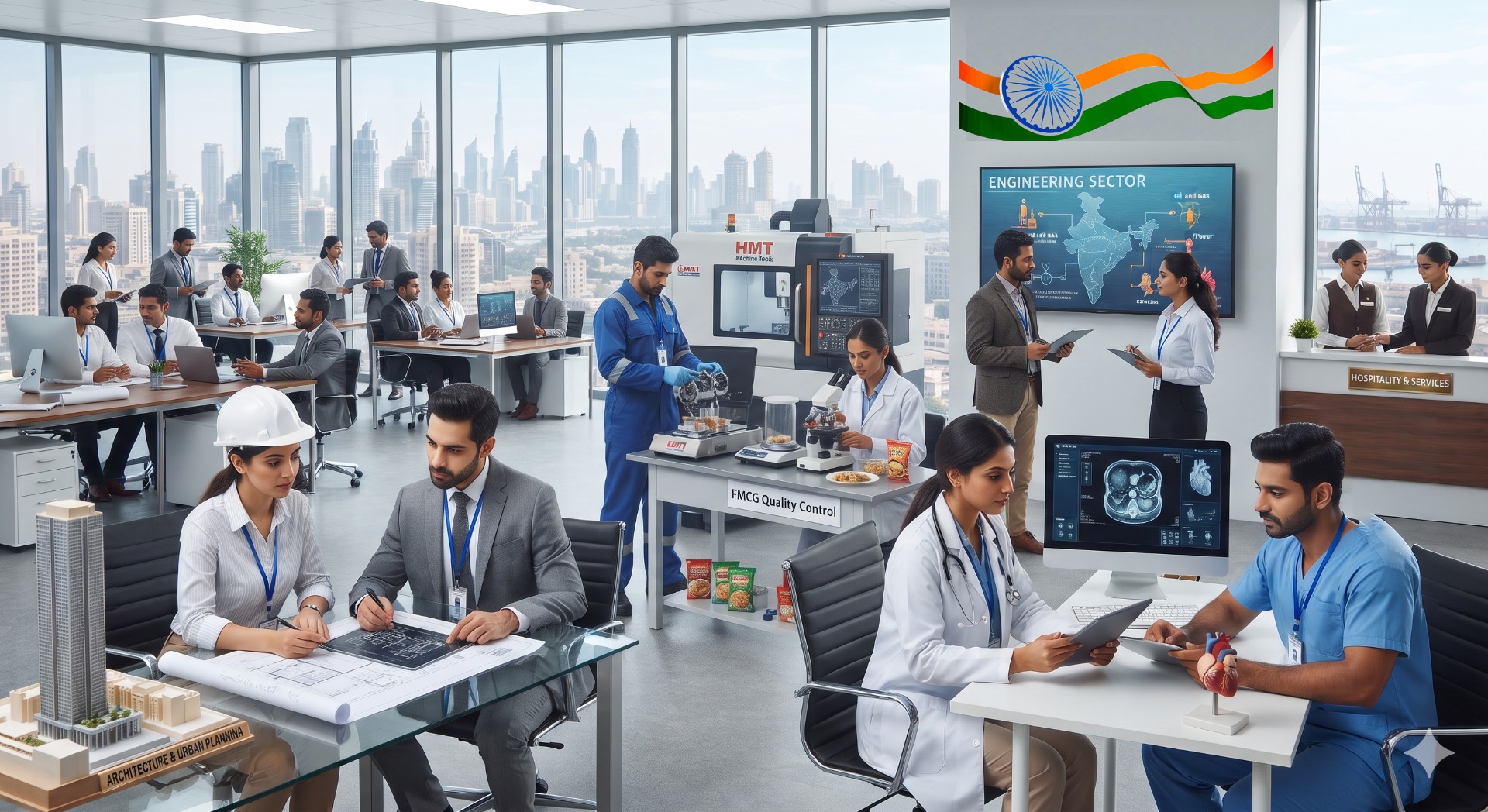
Beyond heavy engineering and technology, India’s industrial canvas covers consumer markets such as FMCG and food and beverage, and heavy process industries including oil and gas, modern refineries, and petrochemical complexes. That base is complemented by infrastructure and building materials: packaging, cement, sanitary pipes, ceramic bathroom fittings, and ceramic tiles.
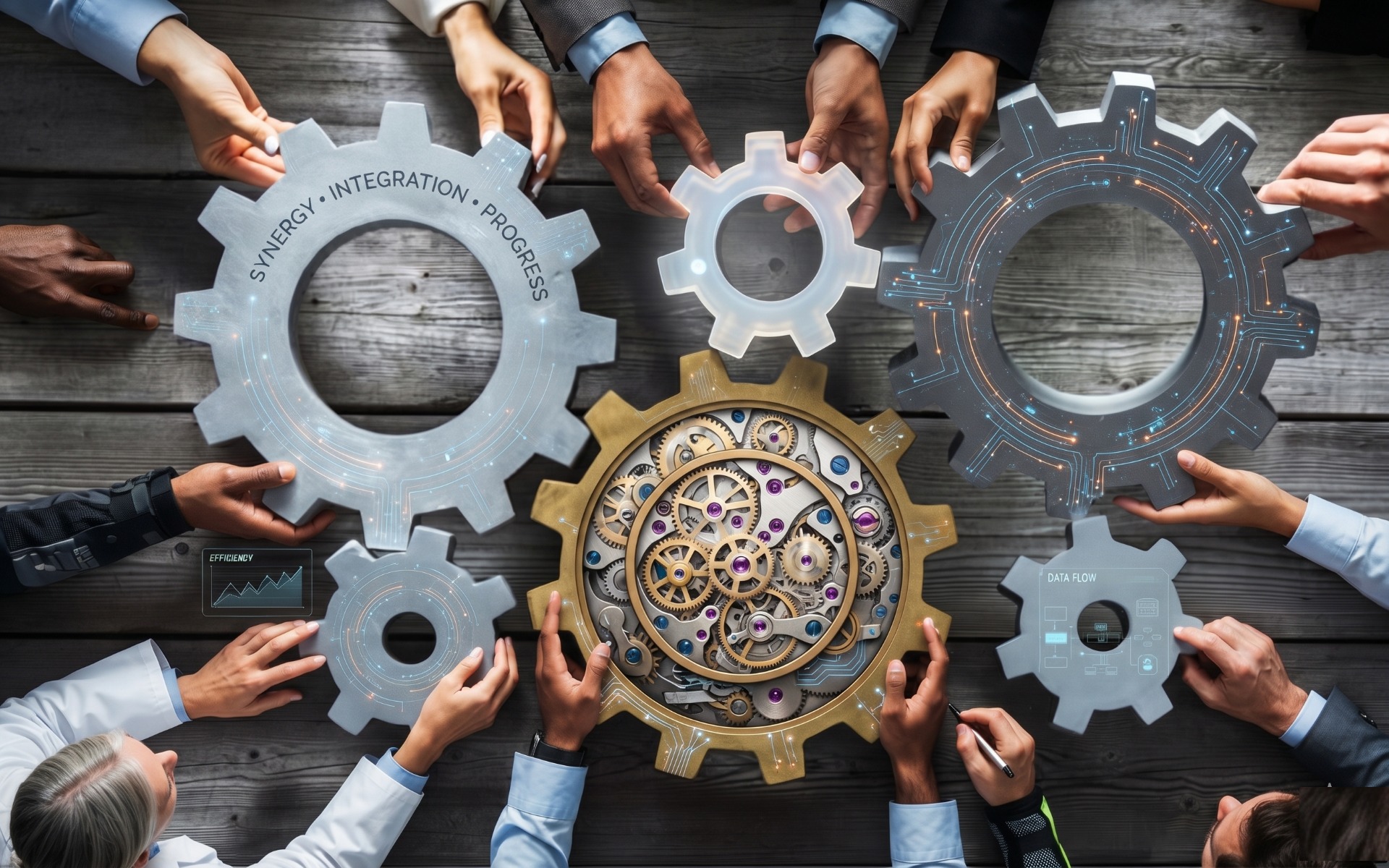
The catalyst behind this industrial rise is not only machinery or infrastructure. It is people.
Momentum across industrial verticals
India’s manufacturing sector has moved from domestic production into a globally competitive industry. It contributes significantly to national GDP, and the sector’s gross value added has climbed with rising capacity utilisation and policy such as Production Linked Incentive schemes.
These industrial, energy, consumer, and infrastructure verticals are leading that charge:
- Oil and gas, and refineries. India is one of the world’s largest and most sophisticated refining hubs. Mega-scale plants — including the Jamnagar complex and wide public and private downstream networks — support crude processing, petroleum product exports, and refinery-petrochemical integration.
- Packaging materials. As e-commerce, retail, and exports grow, packaging manufacturing has taken on eco-friendly substrates, high-speed flexible packaging, corrugated solutions, and rigid packaging for global supply chains.
- Building and infrastructure materials. Cement and sanitary piping manufacturers supply the durability, structural integrity, and volume that urban and rural infrastructure demand.
- Ceramic tiles and bathroom fittings. India is a global manufacturing base for ceramic tiles, with clusters producing digital-print surfaces and export-grade quality, alongside sanitaryware that competes on design and durability.
- FMCG manufacturing. One of the country’s largest economic drivers, with automated supply chains, fast product innovation, and reach into both rural and urban markets. Companies are scaling packaging and high-speed lines for changing consumer demand.
- Food and beverage. As a major agricultural producer, India’s food processing and F&B manufacturing is growing quickly, backed by quality standards, cold-chain logistics, and value-added processing.
- Electronics and advanced technology. India is a global hub for electronics and smartphone manufacturing, with record production and deeper local value addition.
- Automotive and electric mobility. Demand for sustainable transit and advanced automotive technology continues to lift domestic production and exports.
- Defence and aerospace. Record indigenous defence production and exports to more than 80 countries have given India’s precision engineering a global reputation.
That rise across so many sectors needs a workforce with technical depth, adaptability, and the ability to work across disciplines.
Precision, adaptability, and scale
At the centre of India’s manufacturing story is its demographic dividend and a culture of operational excellence. The country produces hundreds of thousands of graduate chemical, mechanical, and petroleum engineers, material scientists, supply-chain specialists, food technologists, ceramic designers, and skilled industrial operators every year. That pool can run complex, automated plants and high-hazard continuous-process environments.
What sets this talent apart?
- Technical rigour and domain expertise. From refinery control-room operators, process-safety engineers, and floor technicians to R&D specialists and plant directors, Indian professionals combine academic foundations with hands-on use of digital oilfields, automated kilns, high-speed packaging lines, IoT, and smart-factory systems.
- A problem-solving mindset. Shaped by a fast-moving economy, industrial talent is practised at resource optimisation, supply-chain agility, process innovation, and scaling under tight constraints.
- Global readiness. Strong English and cross-cultural communication let specialists join multinational teams, whether on domestic mega-projects or international plants.
Bridging ambition with expertise
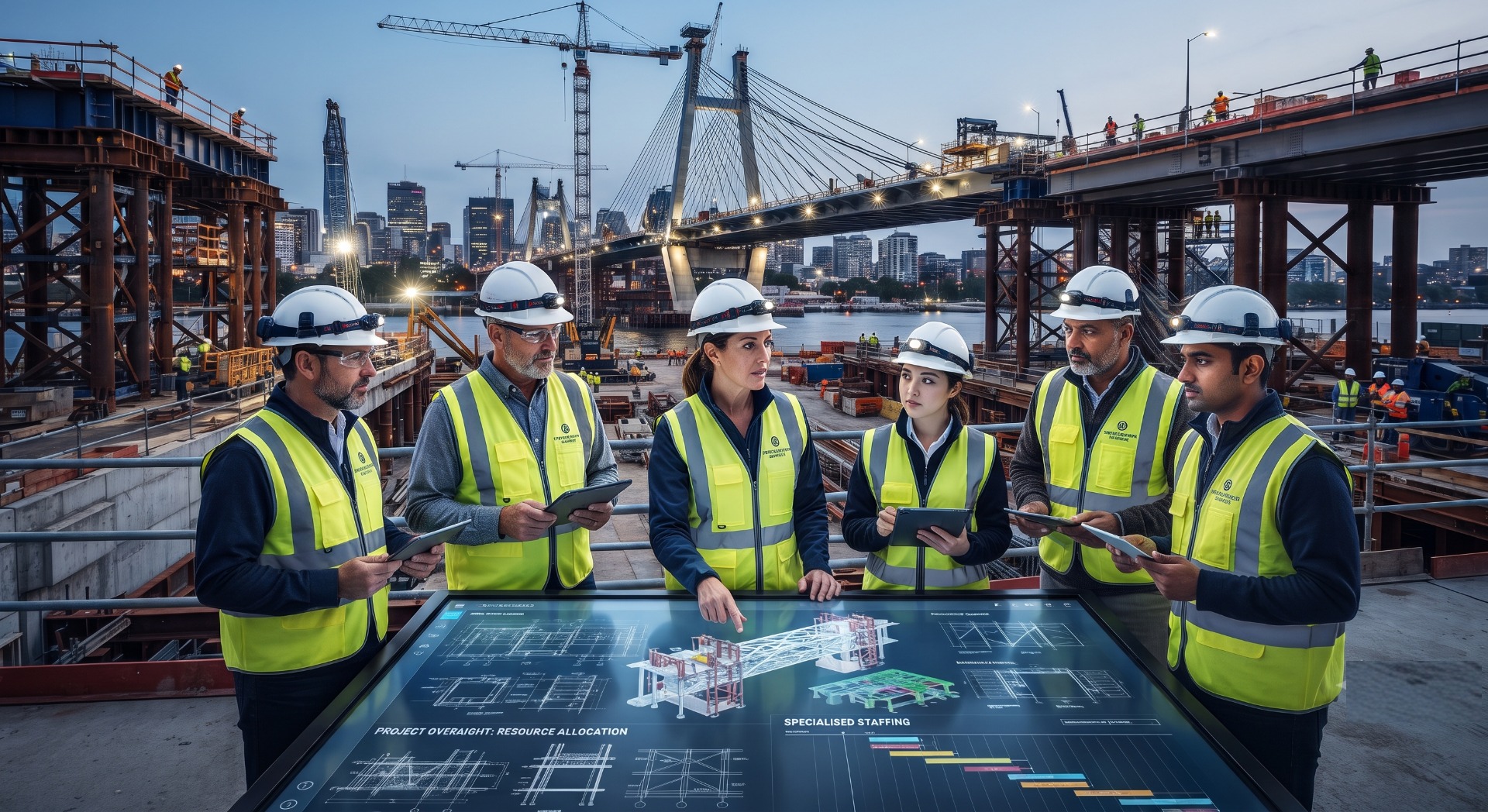
As Indian manufacturing scales to meet global demand, the gap between industrial enterprises and specialised talent matters more than ever. A competitive ecosystem needs careful workforce planning, precise recruitment, and leadership that fits the plant.
For more than five decades, InterManagement Manpower Services Limited has worked in international recruitment and workforce solutions. By connecting energy, oil and gas, industrial, FMCG, food and beverage, building-material, and ceramic enterprises with Indian professionals, the firm supports the refineries, factories, supply chains, and engineering projects being built now.
The future of global manufacturing is being written today, and Indian talent is holding the pen.